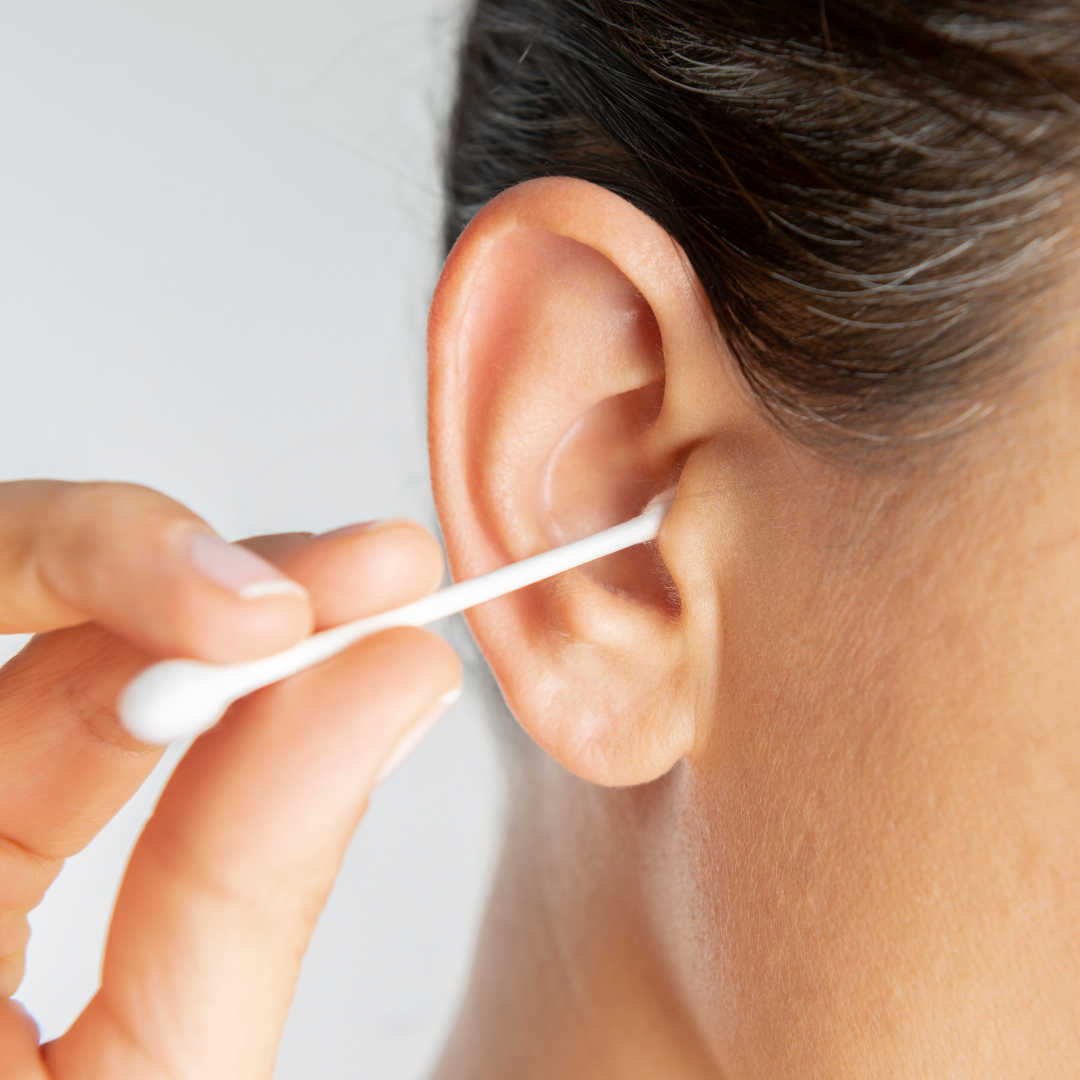
While many consider cotton swabs handy cleaning devices, placing them in the ear canal disrupts natural clearing and causes physical damage. Our specialists determine if cerumen warrants clinical clearing and advise on targeted methods designed to protect your hearing health. Most ears do not mandate routine physical scrubbing; yet, if accumulation occurs, we guide patients through safe cerumen management.
Why Cotton Swabs Create Complications Inside the Ear
Biologically, earwax—known clinically as cerumen—is not an unhygienic waste product. This substance captures environmental dust, restricts bacterial colonization, conditions the delicate canal walls, and defends fragile skin. Natural temporomandibular jaw motion combined with epithelial migration steadily pushes aging cerumen outward, where it naturally sheds or rinses away in the shower.
A Q-Tip placed inside the canal can disrupt this self-cleaning process. While you may see a tiny amount of wax on the swab, the device generally shoves the rest deeper toward the eardrum. Habitual use tends to compress wax into a stubborn plug, producing an uncomfortable blocked feeling that prompts further harmful scrubbing.
Swabs can be safely applied along the outer ear cartilage, but they should never be inserted past the canal aperture.
How Cotton Swabs Cause Physical Trauma to the Ear
The sensitive skin protecting the ear canal exhibits extreme thinness and scratches effortlessly. Minor scratches can trigger localized pain, bleeding, and bacterial infiltration, substantially elevating the risk of otitis externa. Additionally, the swab tip can shear off and lodge itself securely inside the ear canal.
Swab-related clinical injuries include:
- Earwax pushed into a deeper impaction
- Cutaneous tearing, swelling, canal inflammation, or bleeding
- Bacterial or fungal ear canal infection
- A cotton tip or other material trapped in the ear
- Traumatic puncture or laceration of the eardrum
- Dislocation or injury of the delicate hearing ossicles
- Transient hearing reduction or permanent sensorineural loss
- Ringing in the ears, balance disruption, or sharp ear pain
Though critical trauma is uncommon, an unexpected collision, a sudden slip, or overzealous penetration can cause extensive ear injury.
Determining the Proper Frequency for Earwax Removal
Clinical extraction of earwax is not routinely required on a fixed schedule for most patients. Functional ear canals naturally evacuate wax, and everyday washing clears away deposits on the outer ear. Frequent overcleaning creates dry, irritated canal surfaces while amplifying the risk of severe impaction or microbial invasion.
Professional removal is necessary when wax obstructs the canal, obscures our view of the tympanic membrane, hinders a hearing aid, or creates physical symptoms.
What Are Safe Ways to Remove Earwax At Home?
In the absence of earwax symptoms, allowing natural physiological clearance is universally the safest strategy. Clean exclusively around the exterior auricle using a soft, moist cloth, letting the auditory canal clean itself naturally.
Should cerumen require breakdown, our team may recommend commercial cerumen-removal drops or formulas featuring saline, mineral oil, glycerin, or carbamide peroxide. Dispense only the directed amount and restrict use strictly to the timeframe specified on the product packaging. Stop if the drops cause pain, marked dizziness, rash, or worsening symptoms.
At-home ear flushing is not suitable for all ears and demands prior clinical verification and step-by-step guidance from a provider. Never attempt to flush your ear canal with a pressurized dental water irrigator. Reject risky methods such as ear candling, rigid metal scoops, camera-guided probes, hairpins, and home suction gadgets. These dangerous tools carry severe risks of burning skin, lacerating canal tissue, puncturing the tympanic membrane, or packing wax inward.
Clinical Indicators for Professional Earwax Removal
Set up an audiological evaluation whenever your ear stays plugged after softening care, wax is firmly impacted, or home efforts fail repeatedly. Seeking professional care is essential if a patient cannot stay still, exhibits narrow canal anatomy, wears hearing aids, or possesses medical risks that rule out drops or flushing.
Arrange an immediate clinical evaluation for:
- Persistent otalgia, stubborn itching, or painful sensitivity around the ear
- Blood, pus, clear fluid, or unpleasant-smelling drainage
- Fever or swelling around the ear
- The sudden appearance of tinnitus or true dizziness
- Sudden hearing drops or auditory deficits that remain after wax removal
- A possible eardrum perforation or cotton fragment trapped inside
- Frequent wax buildup that occludes or damages hearing aids
Any rapid-onset hearing loss in one ear must be evaluated as an emergency rather than dismissed as a wax plug. Rapid audiological testing differentiates simple cerumen obstruction from serious, time-sensitive inner ear disorders.
How Can a Doctor Remove Excess Earwax?
Our clinical team begins by evaluating the ear canal using an otoscope or binocular microscope to confirm cerumen impaction and inspect for infection, trauma, or tympanic membrane perforations. Determining the safest intervention hinges on cerumen density, specific canal contours, past surgical interventions, and the patient’s procedural comfort.
In-office clinical procedures include:
- Therapeutic cerumenolytic solutions instilled before or during treatment
- Regulated mechanical irrigation with body-temperature saline for sealed eardrums
- Precision micro-suction under continuous microscopic visualization
- Manual instrument clearance utilizing dedicated ear loops, fine curettes, or small forceps
Direct visualization allows the clinician to work around sensitive canal skin and stop if discomfort occurs. Dense or desiccated cerumen impactions frequently necessitate using more than one removal method. Once the wax is cleared, we reexamine the ear to ensure the auditory canal and eardrum remain completely healthy. If fullness, tinnitus, dizziness, or hearing difficulty continues, additional testing can identify another cause.
Schedule Professional Earwax Removal
Should your ears feel congested or your hearing performance decline, arrange an evaluation with our audiology clinic instead of reaching for swabs. The diagnostic session entails reviewing your symptom timeline, past otologic procedures, hearing aid usage, past home treatments, and risk factors for recurring cerumen. Connect with our practice today to reserve an appointment for safe, professional earwax removal.