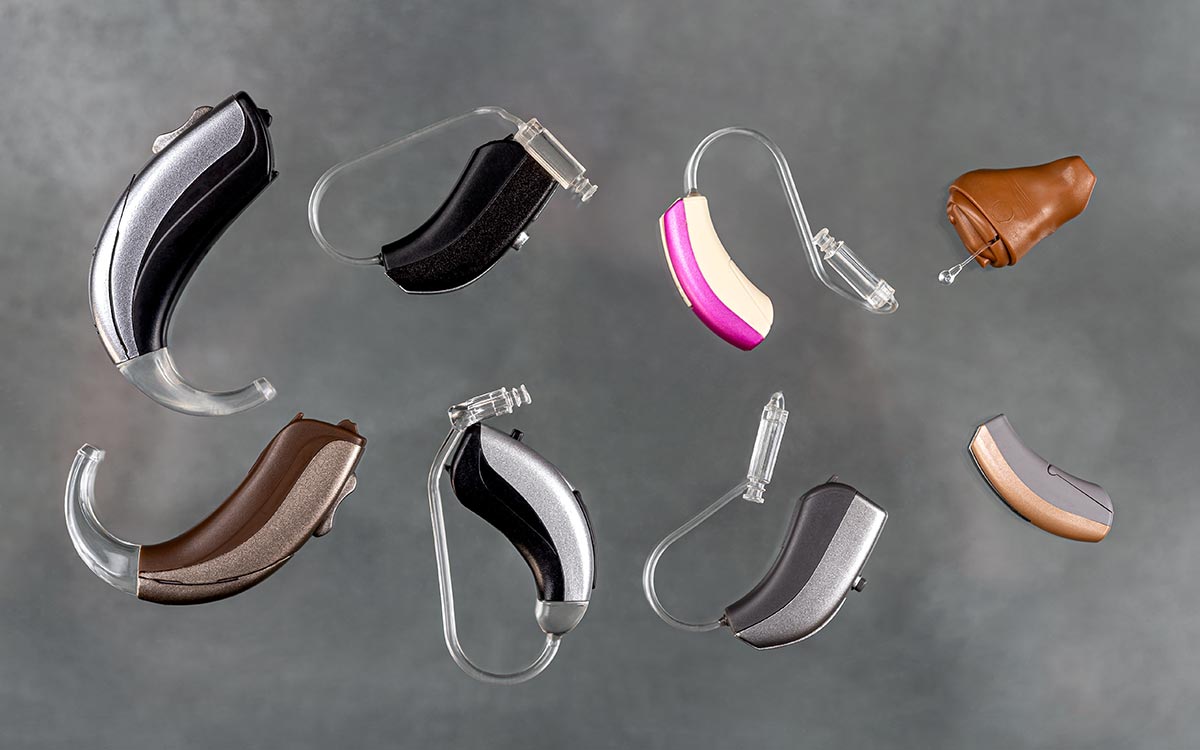
The total volume of hearing aid designs and technology levels on the market today can make the selection process feel complicated. But no matter your needs, there’s an auditory solution for every lifestyle, preference, and degree of hearing loss. The key is simply choosing the one that fits you best.
Gaining an accurate picture of common hearing aid categories will empower you to make an educated decision for your hearing health. This guide explores the most common styles and highlights the specific advantages each one offers.
Understanding In-the-Canal (ITC) Units
The Layout:
A custom device is engineered to sit partially within the ear canal while showing just a small section in the outer ear area.
Why people select them:
- More discreet than larger models
- Individualized shaping guarantees long-term wearing comfort
- A useful option for those with moderate hearing needs
ITC devices offer a good balance between visibility and functionality, making them a popular choice for first-time users.
IIC (Invisible-in-Canal) Technology
How they function:
As the most discreet custom option, IIC aids represent the smallest available style. They are inserted deeply within the canal to remain hidden from view.
Why people choose them:
- The best choice for patients prioritizing appearance
- Provides authentic audio because of where the device sits
- An ultra-light design renders them easy to wear all day
IIC devices are primarily targeted at those with moderate hearing needs who want their technology to remain completely unnoticed.
Full and Partial ITE Varieties
Structural Info:
An ITE hearing aid fits snugly within the outer ear, available in both full-shell and half-shell configurations. They are custom-made to match the shape of your ear.
Why people choose them:
- A slightly larger casing accommodates advanced tech and more powerful batteries
- Simpler to handle for those with dexterity challenges
- An adaptable option that can address even significant levels of hearing loss
The all-in-one nature of the ITE design makes it a favorite for those who dislike behind-the-ear equipment.
Behind-the-Ear (BTE) Hearing Aids
Summary:
These devices sit on the external portion of the ear’s anatomy. Audio is delivered via a thin tube or a personalized mold in the canal.
Why users select them:
- Known for remaining remarkably adaptable and robust
- Can be programmed to help users with everything from mild to profound loss
- The spacious housing enables high-tech extras and built-in power cells
For those who value a reliable device that is easy to manage and provides plenty of volume, BTE is an excellent choice.
RIC (Receiver-in-Canal) Summary
Design Specifications:
While they match BTE units, RIC aids set the speaker directly in the canal for better sound delivery.
Key Pros:
- Known for producing some of the most authentic audio in the industry
- Offers a very low-profile look that is easy for almost everyone
- Flexible enough to treat a broad range of hearing impairments
RIC units are extremely common today because they balance appearance with powerful functionality.
Long-Term “Set and Forget” Devices
Operational Info:
A hearing specialist inserts these specialized hearing aids deep into the canal, where they stay for multiple weeks.
Why people select them:
- No routine insertion or removal
- They are virtually impossible for people to notice because of their depth
- Built to endure the stresses of sleep, exercise, and showering without being removed
If you want an auditory solution that requires zero daily thought, the extended-wear style is perfect.
Connected Hearing Solutions
Tech Specs:
These are modern devices fitted with wireless technology to sync with your personal electronics and televisions.
Digital Benefits:
- Enjoy direct sound streaming from your phone or TV right into your ears
- Adjust settings via an app
- Provides the ultimate in convenience for people who use smartphones regularly
Most contemporary RIC, BTE, and ITC hearing aids currently offer an advanced version.
Surgically Placed Middle-Ear Solutions
Procedure Information:
An operatively implanted device that physically vibrates the middle ear bones to amplify sound.
Why patients pick them:
- A viable route for patients who are unable to wear standard acoustic devices
- Solves the issue of ear discomfort caused by regular hearing aids
Candidates for middle-ear implants should complete a comprehensive evaluation by a hearing specialist.
Your Path to Better Hearing
Selecting an instrument is a personal journey that takes into account your hearing severity, lifestyle habits, and visual preferences. A specialist can offer the guidance needed to test out different styles and find the one that fits your life perfectly.
Begin your journey to better sound by setting up a hearing test now. It’s a great first step toward better hearing and more confident communication every day.
Sources:
https://www.mayoclinic.org/diseases-conditions/hearing-loss/in-depth/hearing-aids/art-
20044116
https://www.hearinglife.com/hearing-aids/types
https://www.nidcd.nih.gov/health/hearing-aids