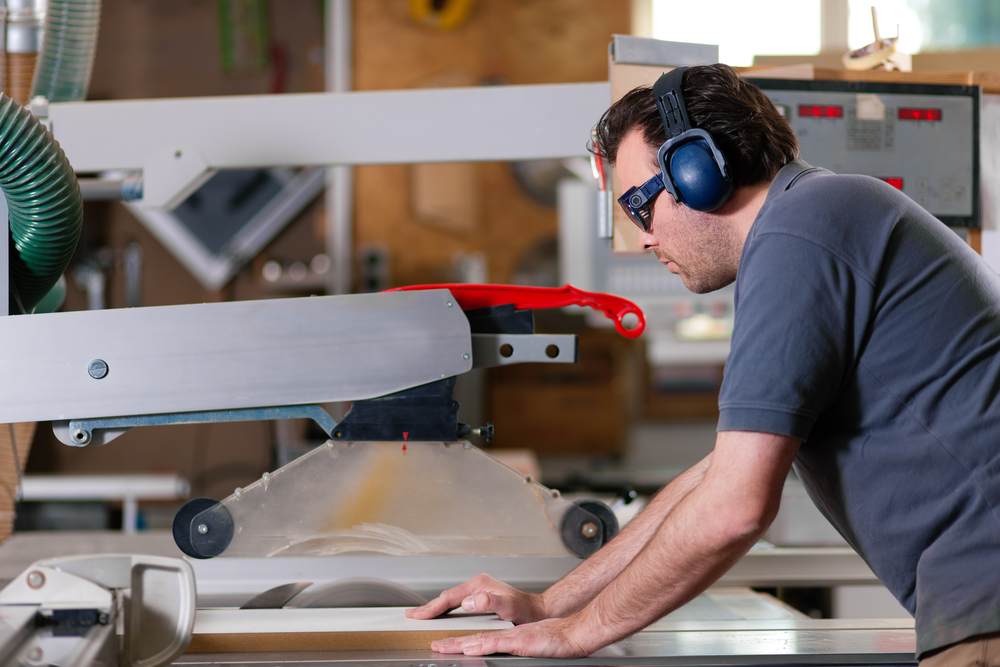
Working a long time in loud noise can severely impact your hearing, particularly when sound intensity exceeds safe limits. You must defend your ears; this is crucial for more than preventing hearing loss—it also helps you maintain focus amidst noisy conditions. The question then is, how do you select the best level of protection needed for your specific needs?
The necessity of knowing noise levels and impacts
Noise damage depends not only on the loudness of the sound but also on how long you are exposed to it. Decibels are the main unit for measuring sound levels and expressing sound volume. Once noise hits a level of 85 dB or above, it presents a risk to your hearing, mainly if the exposure is extended.
Consider that 85 dB matches the volume of city traffic noise perceived while sitting in a car. Though this loudness might not seem excessive, spending eight hours in it continuously can cause hearing impairment. The safety window for exposure lessens proportionally as the noise level rises:
- Exposure to 90 dB (the sound of a Lawnmower) for more than 4 hours is potentially damaging.
- Limit your exposure to 100 dB (Power tools) to less than 1 hour.
- Damage is possible after only 15 minutes at the 110 dB level (Leaf blower).
- Your hearing can be harmed by any exposure to a 120 dB sound (Rock concert).
- Exposure to 140 dB (Jet engine) results in immediate damage and intense pain.
How to detect risky noise environments
Anyone routinely around noise at 85 dB or higher, hearing protection becomes an absolute requirement. This holds especially true in professional settings, such as plants, construction sites, or settings where machinery, tools, or gear generate high levels of noise.
Hearing protection is also valuable outside of the job; activities like attending music concerts, operating leaf blowers, or participating in shooting sports can expose you to dangerous sound levels.
Choosing protection based on Noise Reduction Ratings
Hearing protection efficacy is measured using the Noise Reduction Rating (NRR) scale. The rating shows the level of sound reduction, stated in dB, that the unit provides. Higher NRR values deliver greater protection. As an illustration, earplugs rated at 30 dB NRR will lower an 85 dB noise to 55 dB, guaranteeing you remain securely below the danger threshold.
When selecting hearing protection, consider the specific noise levels you’re exposed to and ensure your choice offers enough blockage to stay below the 85 dB threshold.
Comfort is key for continuous use of protection
Although the NRR is essential, comfort is equally significant for ensuring that the protection will be employed consistently over time. You might be tempted to take off the protection if it is ill-fitting or awkward, thereby subjecting your ears to harmful sound.
Comfortable hearing protection fosters steady use, reducing the threat of occasional exposure. For illustration, if earmuffs are too bulky or lead to discomfort, you may find yourself removing them occasionally, subjecting your ears to dangerous noise levels.
Exploring the multiple options of ear protection
A selection of hearing protection options are on offer, all with their own set of advantages and disadvantages:
- Inserted into the ear canal, Foam Earplugs provide superb noise reduction. They are disposable and light, yet some individuals may find them uncomfortable.
- Pre-Molded Earplugs: These rest just outside the ear canal and are reusable, making them a more sustainable option. They’re easier to insert and remove compared to foam earplugs.
- Earmuffs: Earmuffs cover the entire ear and are ideal for environments with fluctuating noise levels, as they’re easy to put on and take off. However, they may feel heavy or warm during extended use.
The perfect type of protection to choose is dictated by your own preference and the needs of the setting you are in. For example, workers in construction may favor the convenience of earmuffs, while factory personnel might select earplugs for all-day wear.
The cruciality of continuous protection
To achieve maximum performance, you must find the hearing protection you will wear continuously. Interrupting the use, even for a brief time, could cause long-term effects for your hearing. An option that successfully integrates convenience, protection, and comfort is, therefore, critical.
Securing your auditory longevity
We are always surrounded by noise, yet choosing the correct protective equipment ensures your ears are protected, allowing you to keep enjoying your acoustic surroundings.
Connect with us now to assess your potential of noise-induced hearing loss and find out how to best protect your hearing health.