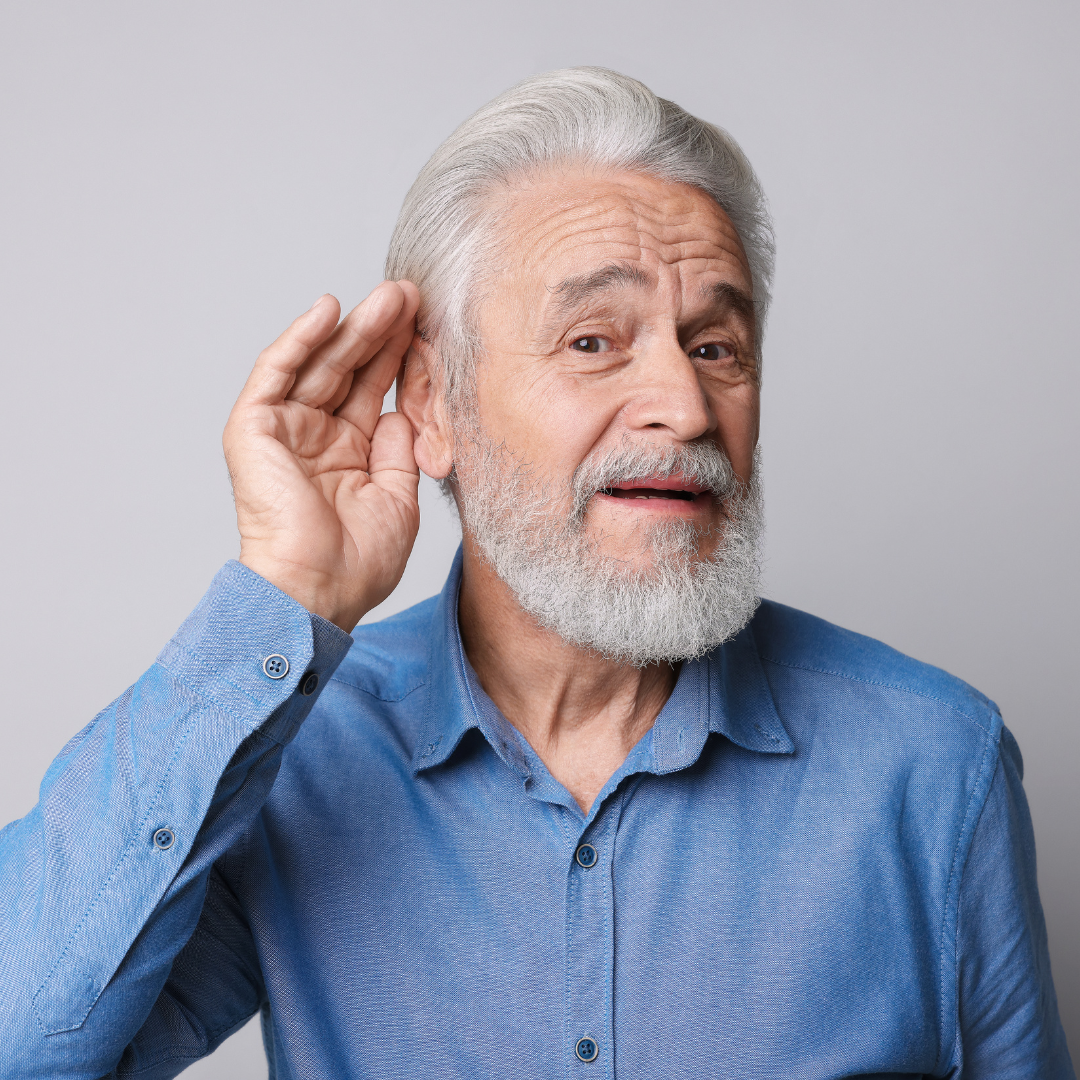
The sudden loss of auditory sensitivity in one ear is frightening and frequently leaves patients unsure of how to seek care. We provide immediate hearing assessments and coordinate urgent medical intervention when an acute auditory decline occurs. Rapid-onset sudden hearing loss mandates swift clinical attention from an audiologist or physician to explore prompt treatment or auditory rehabilitation.
Understanding Sudden Hearing Loss as a Time-Sensitive Emergency
Yes, without question. A sudden hearing loss affecting one ear must be addressed as a true medical emergency, especially if it unfolds across hours or several days. Sudden sensorineural hearing loss, colloquially known as sudden deafness, compromises the sensory hair cells of the inner ear or the auditory nerve. The episode frequently strikes without pain, making it easy to dismiss as seasonal allergies, sinus pressure, or a clogged ear.
Potential signs of this condition include:
- A sudden decline in unilateral sound perception or vocal intelligibility
- Struggling to hear or follow telephone speech on the compromised side
- Sensation of an internal ear pop or mounting aural pressure right before hearing diminishes
- The sudden development of unilateral tinnitus, including buzzing, hissing, or roaring sounds
- Dizziness, imbalance, or a spinning sensation
Do not wait for hearing to restore on its own. Contact us, an urgent care clinic, or an ear, nose, and throat specialist for same-day guidance.
The Urgency of Immediate Professional Evaluation for Sudden Deafness
Immediate audiological evaluation is vital because clinical therapies for sudden sensorineural hearing loss deliver the greatest recovery potential when deployed without delay. We first differentiate whether the condition represents a conductive loss from cerumen or fluid, or a true sensorineural loss involving the inner ear or vestibulocochlear nerve. Both conditions produce overlapping sensations of aural fullness and hearing loss, but their clinical interventions are entirely divergent.
Direct otoscopic visualization and a comprehensive diagnostic hearing test precisely establish the underlying type, audiometric configuration, and severity of the loss.
Seek emergency care immediately if sudden hearing loss occurs with:
- Facial drooping, weakness, or numbness
- Neurological speech deficits, sudden disorientation, or an excruciating new headache
- Diplopia (double vision), syncope (fainting), or severe gait ataxia
- Sudden chest pain or clinical hallmarks of a systemic medical crisis
Such presenting symptoms frequently indicate a major cerebrovascular or neurological emergency that demands immediate emergency room evaluation.
Potential Etiologies of Sudden Sensorineural Hearing Loss
In approximately ninety percent of sudden sensorineural hearing loss presentations, no single definitive cause is ever confirmed. If an underlying cause is identified, it typically entails tissue inflammation, physical injury, microcirculatory failure, autoimmune disease, or specific cochlear nerve disorders.
Potential medical causes encompass:
- Viral or bacterial infections
- Mechanical head injury or sudden exposure to high-intensity blast noise
- Systemic autoimmune disease or autoimmune inner ear disease (AIED)
- Medications that can damage the inner ear
- Microvascular insufficiency, cochlear ischemia, or impaired vascular flow
- Inner-ear disorders such as Ménière’s disease
- Neurological conditions such as multiple sclerosis
- A benign tumor, such as a vestibular schwannoma, compressing the vestibulocochlear nerve
Since presenting signs do not confirm the specific etiology on their own, obtaining a prompt examination and diagnostic audiologic testing is essential.
Clinical Treatment Protocols for Sudden Sensorineural Hearing Loss
Clinical administration of corticosteroids remains the leading therapeutic approach for idiopathic sudden sensorineural hearing loss. Corticosteroids can be ingested orally or injected through the eardrum into the middle ear cavity, allowing medication to permeate the round window membrane. Our clinical team outlines therapeutic options tailored to your specific case, factoring in symptom latency, severity of the loss, comorbid medical conditions, and medication tolerances.
Steroids are typically administered within the first two weeks of onset, making it critical to begin medication as early as medically appropriate. Intratympanic steroid injections may also be recommended as salvage treatment when recovery is incomplete. In selected cases, a physician may discuss hyperbaric oxygen therapy combined with steroids.
Understanding Spontaneous Recovery in Sudden Sensorineural Hearing Loss
Certain instances of sudden sensorineural hearing loss do demonstrate spontaneous improvement without therapeutic intervention. About half of affected people regain some or all of their hearing spontaneously, often within the first one to two weeks. Nevertheless, clinicians have no definitive diagnostic method to predict at onset who will recover, what degree of hearing will return, or whether gains will prove permanent.
Anticipating spontaneous recovery is not a justifiable clinical rationale for postponing prompt care. Initiating treatment several weeks following symptom onset drastically reduces the probability of reversing permanent damage, effectively shutting a vital clinical window. Auditory outcomes differ substantially among patients, ranging from full recovery to partial or minimal improvement.
Rehabilitation Options for Treatment-Resistant Sudden Hearing Loss
Should hearing recovery remain incomplete, ongoing care is dictated by remaining hearing capacity, speech understanding scores, and definitive exclusion of secondary causes. Our clinicians frequently recommend diagnostic MRI imaging or specialized auditory brainstem response testing to evaluate the hearing nerve and surrounding anatomy.
Longer-term options may include:
- Fitting a traditional hearing aid whenever the affected ear possesses aidable hearing capacity
- A wireless CROS system that captures incoming sound on the impaired side and transfers it to the better-hearing ear
- A surgical or non-surgical bone-conduction device for medically appropriate clinical candidates
- A surgically placed cochlear implant for eligible individuals experiencing profound single-sided deafness
- Remote microphones and assistive listening tools configured for complex occupational, educational, or personal environments
Comprehensive audiologic rehabilitation helps remediate mental listening fatigue, spatial sound localization deficits, and everyday communication barriers. Choosing the best rehabilitative device hinges upon clinical hearing test scores, communication environments, medical background, and individual preferences.
Contact Us for an Urgent Hearing Assessment
If your hearing changed suddenly today or within the past few days, seek same-day medical guidance rather than waiting for a routine visit. We can perform diagnostic hearing testing, compare both ears, review when the change began, and coordinate with an ear, nose, and throat physician or another medical provider when necessary.
Contact us to request a prompt hearing appointment.